

The Spanish flu was a global pandemic that occurred in 1918-1919, caused by an H1N1 influenza virus. It spread quickly and infected about a third of the world’s population, leading to millions of deaths. The virus was especially deadly because it affected healthy young adults, not just the elderly or sick.
Except, well, that isn’t true.
The official story is bunk.
So, if the official story is bunk, what is the truth?
The whole story of an influenza pandemic was fabricated by the vaccine industry and the doctors who supported it.
—Eleanor McBean, anti-vaccination writer
There was no virus
Michael Bryant, in his outstandingly researched article, Exploding the Spanish Flu Myth, notes that the Spanish flu wasn’t caused by a virus, but by the harsh environmental conditions of World War I. In other words, there is no evidence of a deadly pathogen spreading between people. What happened, as Michael explains, was a collection of war-related consequences.
I mean, isn’t it a total coincidence that WW1 and the Spanish flu ended around the same time?
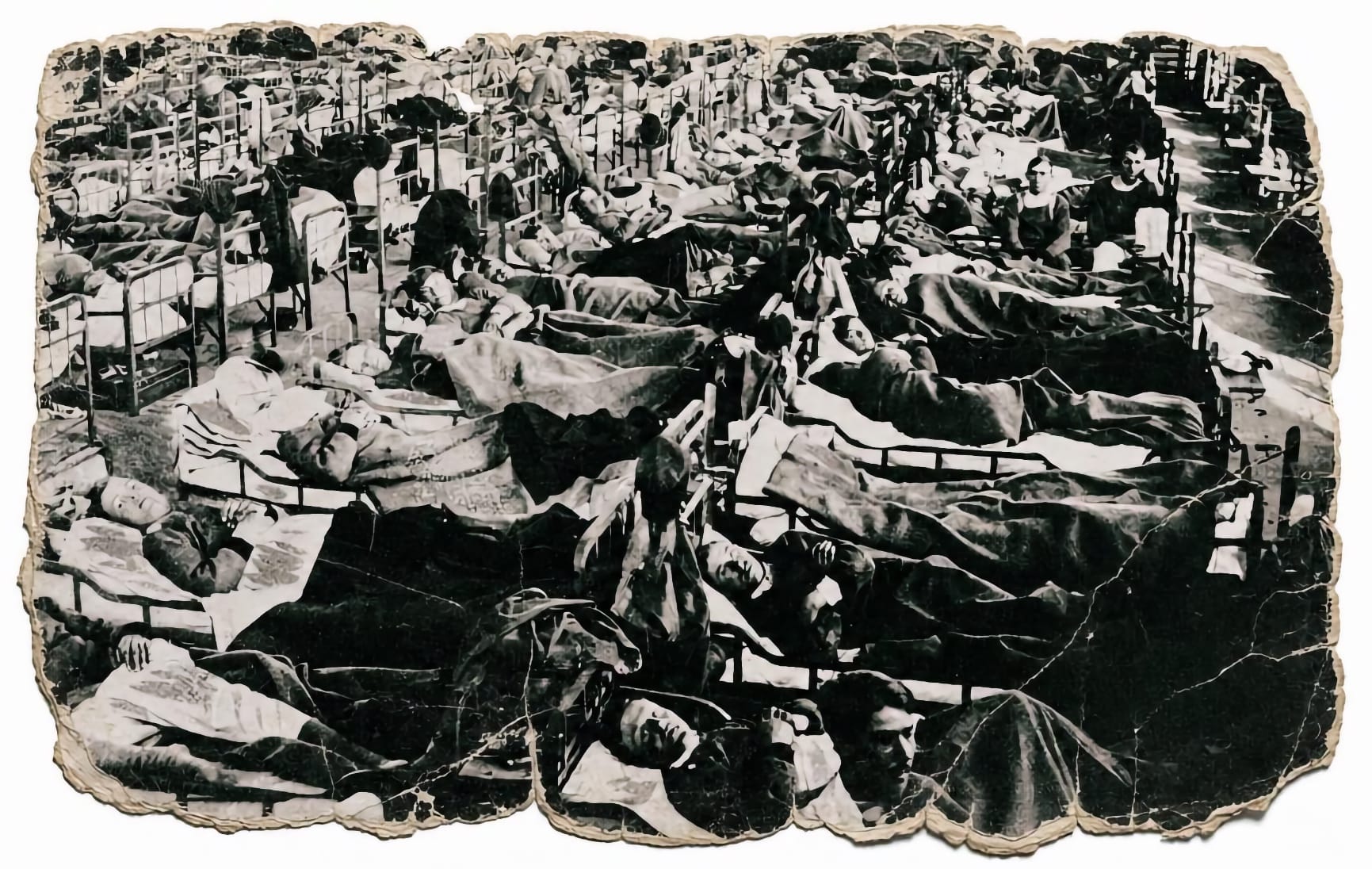
Factors like chemical warfare, overcrowded and unsanitary living spaces, and mass vaccinations created the perfect storm for illness.
The primary vectors to ‘the Spanish flu’ were:
- chemical warfare toxins affecting soldiers and civilians
- overcrowded and unhygienic wartime conditions
- experimental vaccines and medical treatments
What was called Spanish influenza was not influenza at all, but a reaction to the conditions of war and the drugs forced upon the people.
—Herbert Shelton, American naturopath
It was always the war
Young, healthy men were the hardest hit, not because of a virus, but due to the brutal conditions they faced. Why would healthy men ranging between age 20 and 40, mostly soldiers and war staff, be most affected?
Because it wasn’t their immune systems failing them; it was the toxic stress of war.
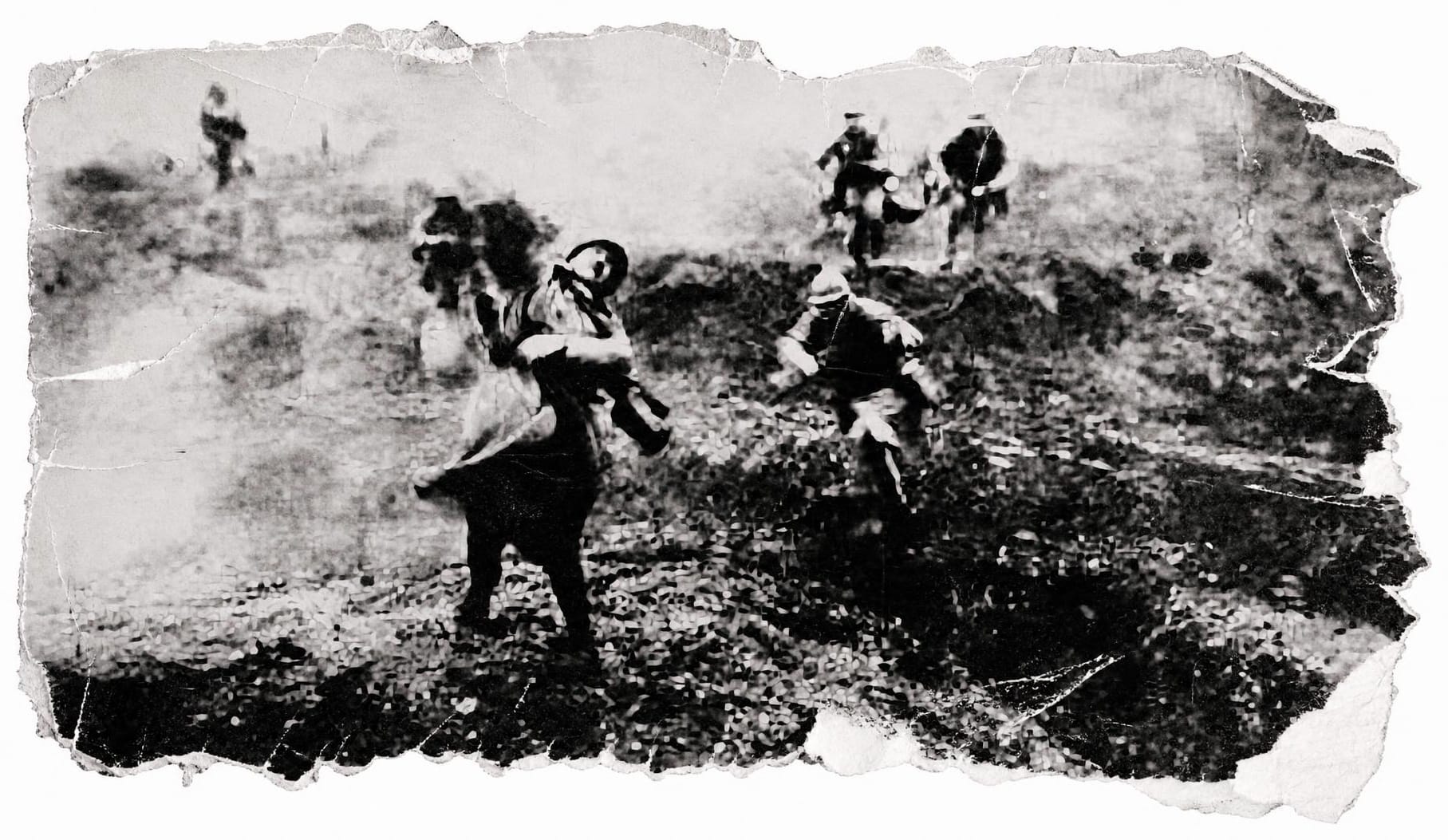
People quickly forget the brutal introduction of trench warfare, chemical weapons, and modern tech like machine guns and tanks, leading to massive casualties and horrific conditions for soldiers and civilians.
Additionally and somewhat crucially, as Michael highlights, there’s no pathogenic evidence in historical records suggesting that a virus caused the Spanish flu.
The strange blue skin
One of the most striking details about the "Spanish flu" is something that doesn't match any flu before or since: victims' skin turned a bluish-grey colour, their lips went purple, and many drowned in their own bodily fluids within hours.
That's not what flu does.
It is, however, exactly what chemical gas exposure does.
British and French soldiers who survived gas attacks described the same symptoms, almost word for word: faces "an ugly purple colour", lips "speechless with agony", and lungs filling with "tenacious yellowish green frothy fluid" that threatened to drown them. When you put the two accounts side by side, it's hard to tell which is a gas attack and which is the "Spanish flu", because they're describing the same thing.
The people who died and were registered as "Spanish flu" deaths were, in many cases, people whose bodies had been overwhelmed by toxic chemical exposure, either on the battlefield or from the lingering residues that mustard gas left in soil, grass, and clothing for weeks afterwards.
The Rosenau Experiment
The Rosenau Experiment, headed by Harvard’s Milton Rosenau and funded by the US Public Health Service, aimed to show that the Spanish flu was contagious.
It failed.
Not one of the 62 healthy volunteers became ill. More volunteers were used later, and they didn’t get sick either. Basically, they inhaled the breath of infected patients, had secretions from the noses and throats of the sick rubbed into their eyes, noses, and mouths, and even received blood injections from sick patients. Nothing happened. Nobody fell ill.
Here's what he said:
We entered the outbreak with a notion that we knew the cause of the disease, and were quite sure we knew how it was transmitted… Perhaps… we are not quite sure what we know about the disease.
Rosenau had no idea of what was going on, but he knew there was no Spanish flu contagion.
The Rockefeller's vaccines
Here's a detail that doesn't get mentioned enough.
Between January and June of 1918, a doctor named Frederick Gates (yes, Gates) ran an experiment at Camp Funston, a military base in Kansas, in which soldiers were given three doses of a bacterial meningitis vaccine. The vaccine was manufactured by the Rockefeller Institute and derived from horses.
What could possibly go wrong?
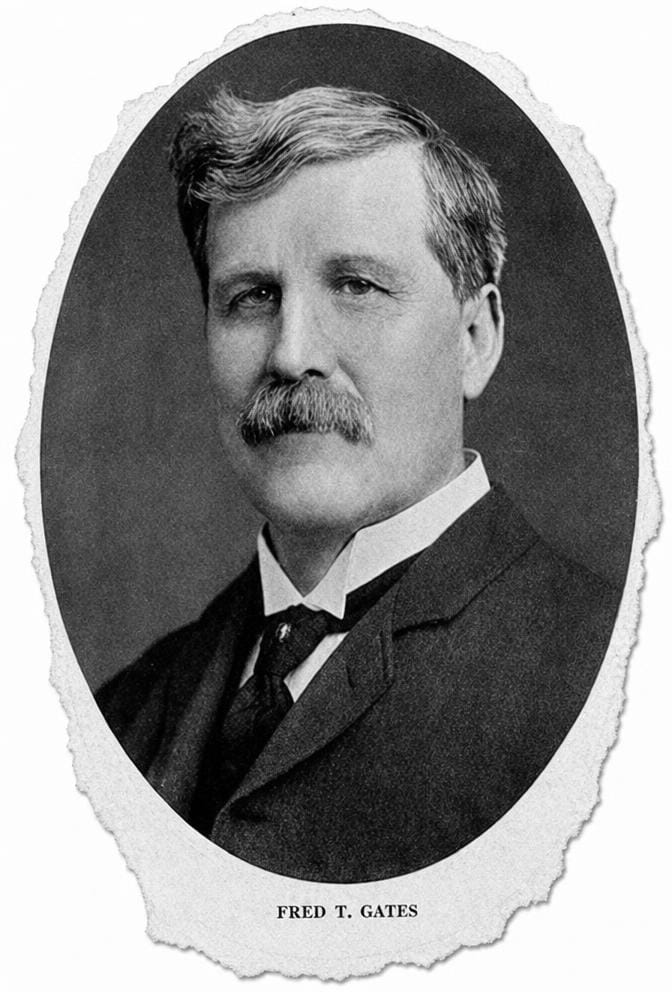
Well, Gates himself documented the fallout: soldiers complained of chills, fever, nausea, vomiting, joint and muscle pains, stiff necks, and diarrhoea, all shortly after injection. He noted that the reactions "occasionally simulated the onset of epidemic meningitis", and that several vaccinated men had to be sent to hospital as suspected cases.
That's how you know the vaccine is working, bro.
And then, right after this vaccine campaign, the first "Spanish flu" cases appeared at that exact same base.
The official story says it's a coincidence. 😂
A virus just happened to emerge from nowhere at the exact moment that thousands of men were being injected with an experimental horse-derived serum. You can believe that if you like, but it's worth asking why the one event is treated as established fact and the other is treated as irrelevant context.
The Rockefeller Institute wasn't shy about its involvement, either. It boasted that before America even entered the war, it had already been supplying these "curative serums" to England, France, Belgium, and Italy. So this wasn't a small, localised experiment. It was a mass injection campaign spread across multiple countries, running parallel to the very thing it supposedly had nothing to do with.
The aspirin factor
There's another element that almost nobody talks about.
During the "Spanish flu", the US Surgeon General and the Journal of the American Medical Association recommended enormous doses of aspirin, sometimes up to 25 grams per day, which is a staggering amount by modern standards.
Aspirin toxicity causes fluid buildup in the lungs, hyperventilation, and a bluish discoloration of the skin, which is to say, it produces exactly the symptoms that were being recorded as "Spanish flu" deaths.
Oh.
So you had soldiers and civilians already burdened by toxic war conditions, injected with experimental serums, and then dosed with pharmaceutical quantities of aspirin, all at the same time, and the official explanation for the resulting death toll is "a virus did it".
At what point do we start looking at the toxins rather than blaming an invisible pathogen?
There isn’t the slightest evidence that what swept the world in 1918 was influenza—it’s a name applied to a collection of symptoms.
—Alfred W Crosby, author of 'America’s Forgotten Pandemic'


